Why a Storm Damage Roof Inspection Matters After Severe Weather in Austin
When the sky clears after a heavy storm, the first instinct for many homeowners is relief. The rain has stopped, the wind has died down, and the power is back on. But the real trouble often stays hidden a few feet above your head. A storm damage roof inspection is one of the most overlooked steps after severe weather, and skipping it can turn a small problem into a major repair job down the road.
Living in Austin, Texas means dealing with a full range of weather. Hail storms roll through in spring, straight-line winds rip across the Hill Country in summer, and even the occasional ice storm can leave a layer of weight on your roof deck. Each event leaves its own kind of mark. Some damage is obvious, like a missing shingle or a dented metal roof panel. Other damage is quiet, like a lifted flashing or a cracked underlayment that lets water seep in over weeks or months. That is why a storm damage roof inspection should happen as soon as it is safe to get up there.
What Actually Happens to a Roof in a Storm
A roof is built to handle weather, but every material has limits. Asphalt shingles can become brittle over time, and a strong gust can lift the edges, pulling nails loose. On a tile roof, the individual tiles can crack or slide out of place, leaving gaps that let rain directly onto the underlayment. Metal roofs are tough, but hail can dent the panels, creating low spots where water pools. Flat roofs, common on many Austin homes and additions, rely on a continuous membrane that can split under the force of debris or the weight of standing water.
Wind damage does not only affect the surface. The ridge vent at the peak can tear away, pulling the seal apart and allowing moisture to travel along the roof deck. Gutters and downspouts can clog with leaves and granules from shingles, causing water to back up under the edge of the roof. That is where the real damage starts, inside the structure, where you cannot see it until the ceiling stains appear.
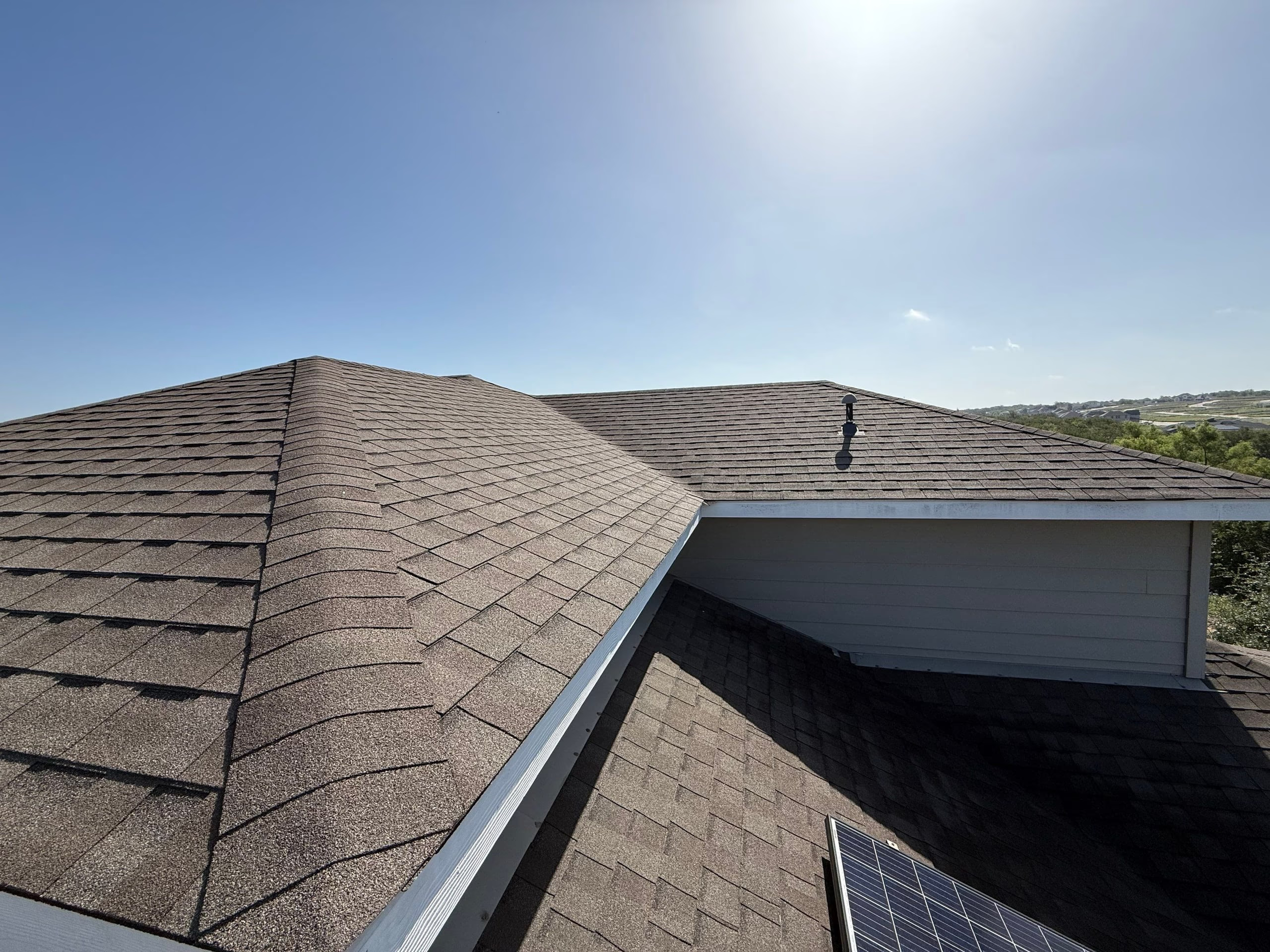
The Right Time for a Post-Storm Check
Some homeowners wait until they notice a leak. By then, the water has already traveled through the underlayment, soaked the roof deck, and dripped into the insulation or drywall. Mold can start growing within 48 hours. A storm damage roof inspection done within a few days of the event can catch these issues before they escalate. It is not about panic. It is about timing. The longer a small breach sits open, the more the surrounding materials weaken.
I have seen houses where a single lifted flashing at a chimney caused rot across three rafters. The homeowner had no idea until the leak detection service found the source during a routine check. That repair would have cost a fraction if it had been caught early. After any event with hail bigger than a quarter, winds over 50 miles per hour, or an ice storm that left more than an inch of accumulation, schedule a professional look.
What a Thorough Inspection Covers
A proper inspection is not a quick glance from the ground. It involves walking the roof, checking every penetration, and looking at the details that usually cause trouble. Here is what a qualified roofing contractor will examine:
- Flashings around chimneys, vents, and skylights for separation or cracks
- Shingle or tile condition, especially in valleys and along ridges
- Gutters and downspouts for debris and signs of overflow
- Ridge vents and edge metal for wind lift or detachment
- Roof deck and underlayment for visible sagging or moisture
Each of these areas can fail independently, but more often, damage in one spot stresses another. For example, a clogged gutter can force water up under the shingles, which then seeps behind the flashing. A good inspector understands these chains of cause and effect.
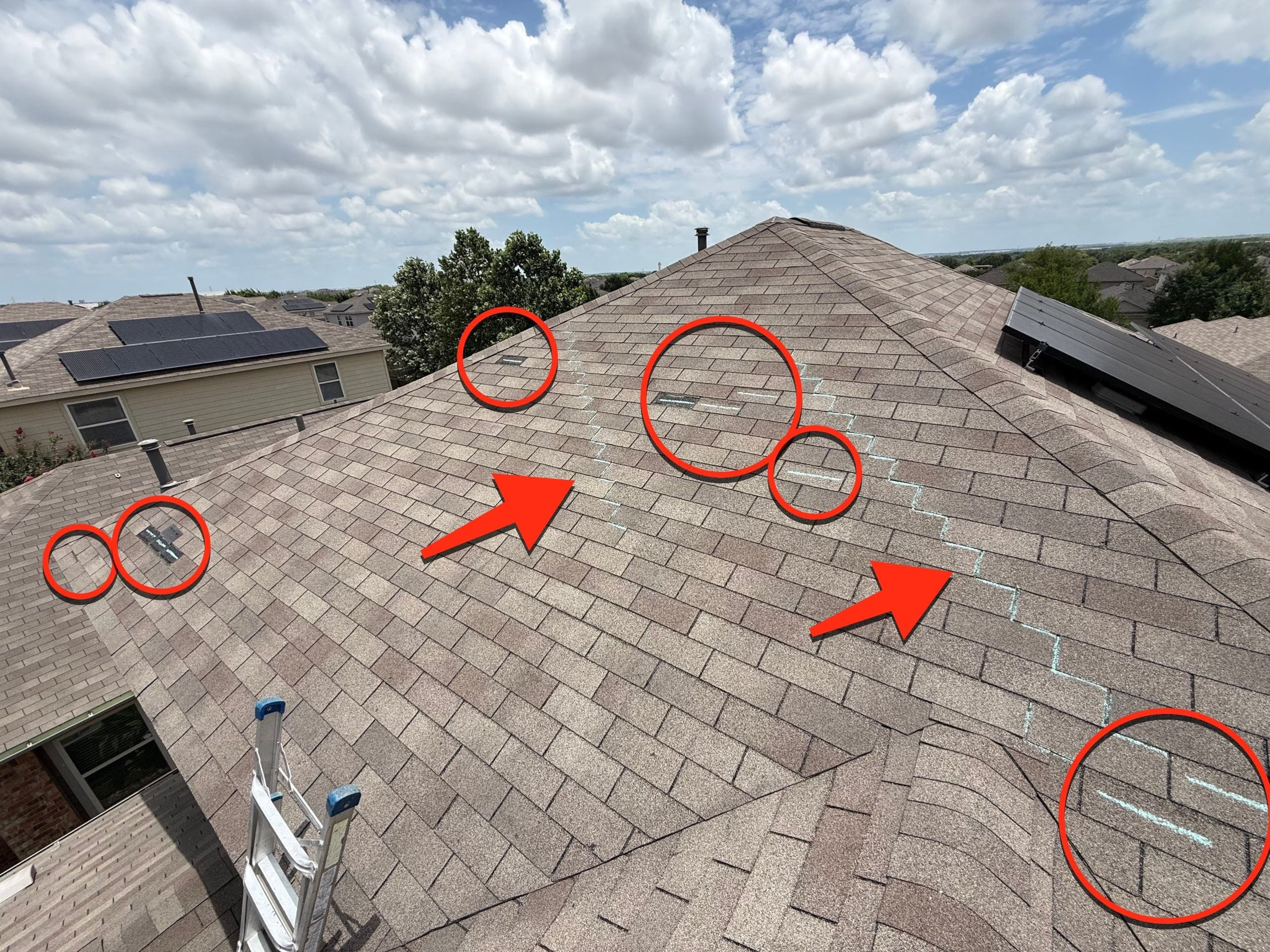
Ice Dams and Winter Storm Aftermath
In Texas, we do not get heavy snow often, but ice storms can create a unique hazard. When ice builds up on a roof, it can form an ice dam along the eaves. That trapped water has nowhere to go but under the shingles or tiles. The weight of the ice itself can also stress the structure, especially on a flat roof or a low-slope metal roof. After the thaw, a storm damage roof inspection should check for lifted shingles, stretched flashings, and any signs that water pushed past the underlayment. Ice damage is sneaky because it can look fine until the temperature rises and the leaks start.
Hail Damage Is Not Always Obvious
Hail damage gets a lot of attention because it is dramatic. Dents in a metal roof, cracks in tiles, and granule loss on shingles are all visible signs. But hail can also weaken the underlayment without tearing the surface. The impact can bruise the material, creating thin spots that fail months later. A thorough inspection includes feeling for soft areas and looking for patterns of impact that suggest widespread weakening. On a tile roof, a single cracked tile might look minor, but if the crack runs through the interlocking edge, water can bypass the tile and hit the deck directly.
Leak Detection and Repair Options
If the inspection finds trouble, the next step is deciding between roof repair and roof replacement. That decision depends on the extent of the damage, the age of the roof, and the type of material. For example, a few missing shingles on a 10-year-old roof usually just need replacement. But if the underlayment is torn across a large area, or if the roof deck has started to rot, replacement becomes the smarter long-term choice. A good roofing contractor will explain the trade-offs honestly, without pushing a full replacement when a targeted repair would last just as long.
Leak detection is a separate skill. Sometimes the leak shows up far from the actual damage. Water travels along rafters, follows the slope of the roof deck, and drips at the lowest point. An inspector who only looks at the stain will miss the real entry point. This is where experience matters. Knowing how water behaves under different roof types, whether shingle, metal, tile, or flat, helps pinpoint the source without guesswork.

Choosing the Right Contractor
Not every roofing contractor offers the same thoroughness. Some will climb up, snap a few photos, and give you a quote based on what they can see from the ridge. A better approach is a detailed inspection that includes checking the attic for signs of moisture, examining the flashings up close, and documenting every finding. If you are in Austin, look for someone who knows the local weather patterns and the common issues with homes in this area. The best inspections come from people who have seen a hundred roofs after a hundred storms and know what to look for.
A storm damage roof inspection is not just a box to check after bad weather. It is the single most effective step you can take to protect your home and avoid a surprise expense. The roof is your first line of defense. When it takes a hit, you want to know exactly what happened and what it needs to get back to full strength.